
Seo and Adwords google ads quality score

SEO vs PPC: Which One Should You Prioritize First?

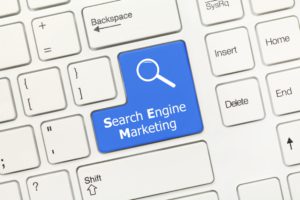
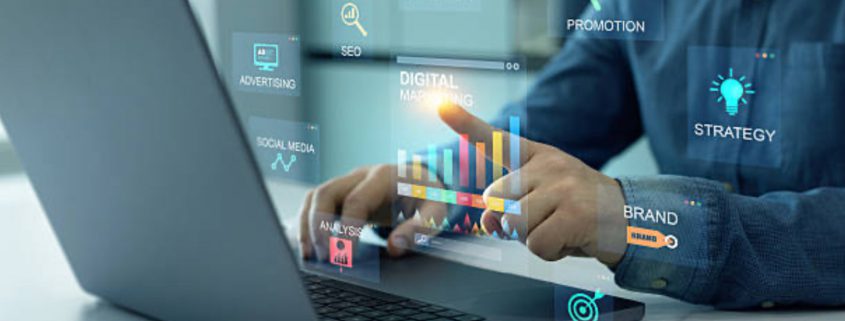
When building a digital marketing strategy, one of the most common questions businesses face is: should you invest in SEO or PPC first? Both tactics can drive traffic and generate leads, but they serve different purposes and offer unique benefits depending on your goals, budget, and timeline.

In this article, we’ll break down the key differences between SEO and PPC, the pros and cons of each, and how to decide which approach to prioritize for your business.

What Is SEO?

Search Engine Optimization (SEO) focuses on improving your website’s visibility in organic search results. This involves optimizing website content, technical performance, and backlinks to rank higher for relevant search queries. The benefit of SEO is that it builds long-term traffic without paying for every click.

According to a recent Semrush report, SEO tends to deliver more sustainable results over time and is ideal for companies looking to build brand authority and generate consistent organic traffic.

What Is PPC?

Pay-Per-Click (PPC) advertising, on the other hand, involves paying for ad placements on search engines and social media platforms. With PPC, you can immediately appear at the top of search results for targeted keywords, but you pay each time someone clicks on your ad.

PPC is highly effective for generating quick results, especially for time-sensitive promotions, product launches, or competitive industries. A WordStream guide highlights that PPC can provide faster lead generation, but the traffic stops when the ads are paused.

SEO vs PPC: Pros and Cons

SEO PPC
Cost No cost per click but requires time and resources to optimize Immediate visibility but costs money per click
Speed Takes months to see significant results Immediate traffic once ads are live
Longevity Long-term traffic that continues after initial investment Short-term traffic that stops when budget runs out
Trust Factor Higher trust and credibility since organic rankings are earned Can be perceived as more promotional
Control Limited control over how fast you rank Full control over targeting, bidding, and timing

Which One Should You Prioritize First?

Prioritize SEO If:

  • You have a long-term growth strategy.
  • You want to build brand authority.
  • You’re in a niche with less competition and can rank faster.

Prioritize PPC If:

  • You need immediate results and quick lead generation.
  • You have a flexible budget for ad spend.
  • You’re launching a new product or entering a competitive market.

For most businesses, a balanced approach works best—leveraging PPC for quick wins while building SEO for long-term success. If you’re starting from scratch with limited visibility, PPC can help you gain traction while your SEO efforts mature.

Final Thoughts

Both SEO and PPC have important roles in a comprehensive digital marketing strategy. Your choice depends on your business goals, budget, and timeline. Understanding when and how to use each tactic will help you maximize ROI and build a stronger online presence over time.

hiring a full service advertising agency

Five Reasons To Hire An Advertising Agency Versus Staffing In-House

Marketing and advertising are essential for the success of any business. As your company grows, you will eventually be faced with the difficult decision of whether to build your own marketing group or to outsource to an advertising agency. Here are five benefits to hiring a full-service advertising agency. Read more

The Rising Importance of Voice Search Marketing

Search marketing has long been a primary focus in the marketing strategies of many businesses. A good search engine optimization (SEO) strategy can help increase your website’s exposure and bring in more organic traffic from search engines. However, as technology has advanced, search engines have as well. Keywords are not the only way that users perform search queries anymore. Voice search is quickly becoming a priority for search engines, especially with the rising popularity of virtual assistants, such as Alexa and Siri. As such, you will need to adapt your search marketing strategy to include a voice search strategy.

Why is Voice Search Marketing So Important?

Voice search makes searching the web much more convenient for customers. It takes far less time to ask a question vocally than it does to type it into a search bar. Voice search isn’t perfect, but it has improved significantly year by year and will only continue improving. It’s estimated that 65 percent of consumers between the ages of 25 and 49 use voice search-activated devices at least once a day. It’s also estimated that roughly half of all searches will be voice searches by next year.

On top of this, mobile optimization has become a must as a result of Google’s decision to rank pages based on the mobile version of a site instead of the desktop version. While typing in search queries on a computer is relatively easy, it’s more challenging on a smartphone, which is why consumers generally use their phones for voice search more often. By optimizing for voice search, you’ll be optimizing for your mobile audience as a direct result.

Tips On Optimizing Your Strategy For Voice Search

The following are a few essential tips on how to optimize your search marketing strategy for voice search:

  • Use language that sounds natural

    Voice search allows users to speak like they do in their daily lives. This means that the language being used to perform search queries is going to be more natural. When writing content, write using natural language and avoid sounding overly formal, if possible. This greatly improves your chances of being matched to their voice search query.

  • Use questions throughout your content

    Try to incorporate questions that users might have as part of your content. Many businesses are formatting their content’s headers as questions. This will help improve the chances of your content being matched with user voice search queries. For example, if they ask, “How do I get a wine stain out of my carpet?” and you have the header, “How do you get wine stains out of your carpet?” in a blog post on stain removal methods, your post is more likely to come up.

  • Consider user intent

    You can’t solely focus on keywords and hope that they will match. You have to consider the intent of the user in order to write high-quality content that’s relevant to their needs. Doing so will allow your content to be inherently optimized for voice search.

  • Use long-tail keywords

    When a user types in a query on Google, they tend to type in as little as possible. For example, if they are looking for a local plumbing service, they will likely type in “plumber” or “plumber” + their location. However, when performing a voice search, they will say something like, “I need a plumber near me in Detroit.” It’s more convenient to speak longer sentences than to type them. However, this means that you should focus on long-tail keywords more than single-word or small phrase keywords.

Learn more about keywords and SEO: Are Keywords Still Required To Increase SEO Rankings?

  • Make sure your site is mobile-friendly

    Because voice search is primarily used on mobile devices, you need to make sure that your website is mobile-friendly. There’s no point in attracting leads through voice search if they’re going to leave your site immediately because of a lack of responsiveness. Use responsive design to ensure that your site displays properly on small screens. Make sure your website loads quickly as well.

  • Optimize local SEO

    A large number of voice searches are going to be local. Customers who are out and about will perform voice searches while they are doing other tasks as they search for a specific business in their area. By optimizing for local search, you’ll not only have a better chance at attracting such customers, but you’ll be able to provide instant results so that they don’t necessarily need to visit your site. Submit your NAP (name, address, phone number) to local listings and set up a Google My Business listing to optimize for local SEO.

It’s no secret that voice search is the future. Begin optimizing your website for voice search marketing today or you’ll find yourself falling behind the times — and your competition — as a result.

A GUIDE TO EFFECTIVE MOBILE MARKETING TECHNIQUES
User-Generated Content

User-Generated Content: Turning Your Customers Into Brand Ambassadors

Today, consumers are constantly bombarded with advertisements, and trust has become the most valuable currency in marketing. People no longer rely on what brands say about themselves. This shift is exactly why user-generated content has emerged in modern marketing. When customers willingly share their experiences, they don’t just consume your brand; they actively promote it. With the right approach, user-generated content in marketing can transform satisfied customers into powerful brand ambassadors.

This article is going to talk about what is user generated content, how it works, and how businesses can build an effective user generated content strategy that supports both awareness-building (TOFU) and decision-making (MOFU) stages of the buyer journey.

What Is User Generated Content?

User-generated content (UGC) is any form of content, like reviews, testimonials, social media posts, photos, videos, or blogs, created by customers rather than by the brand. Instead of brands controlling every message, they allow real users to share authentic stories and opinions.

In simple terms, when a customer posts a photo using your product, writes a review, or shares a video talking about your service, that’s user-generated content. User generated content marketing helps the brand to build trust, credibility, and visibility across digital channels.

Why User-Generated Content Matters in Marketing

user-generated content

Authenticity Drives Awareness (TOFU)

While potential customers are discovering your brand for the first time, scripted ads may catch their eye, but authentic stories will hold their attention. UGC feels relatable because it shows real-life experiences, rather than the scripted messages. 

Social Proof Builds Confidence (TOFU)

A brand reassures new audiences more when potential customers see the products being advertised by other people. Whether it’s a testimonial highlighting durability or professional results, it reduces skepticism and builds instant credibility.

Benefits of User-Generated Content for Growing Brands

  1. Increased Trust and Credibility: People trust people more than brands. UGC acts as social proof that validates your claims, and when customers showcase your product or service in real-world scenarios, it reinforces reliability and quality.
  2. Higher Engagement and Reach: It is observed that the User-generated content often outperforms branded content in engagement. Social platforms reward content that sparks interaction; this helps a brand to grow organically.
  3. Improved Conversion Rates (MOFU): It is found that the Reviews, testimonials, and customer videos are very helpful for the potential audience to visualize success, and this makes it easier to choose your brand.
  4. 4. Cost-Effective Content Creation: UGC supplements your in-house efforts and is one of the best ways to provide a steady stream of content without sacrificing authenticity.
  5. 5. Stronger Brand Community: Featuring customer voices fosters loyalty. When people feel seen and appreciated, they are more likely to advocate for your brand long term.

User Generated Content Strategy

Define Clear Objectives

Always start with a purpose and first think that, weather you are aiming to boost brand awareness, increase engagement, or drive conversions?  A strong user generated content strategy aligns UGC with each stage of the funnel from educational discovery (TOFU) to solution validation (MOFU).

Encourage Participation

Always ensure that it is easy for customers to share. Branded hashtags, contests, review requests, and social prompts invite participation while keeping content aligned with your messaging.

Curate With Intention

Not all content should be published. Select UGC that reflects your brand values, quality, and expertise while maintaining authenticity.

Use a User-Generated Content Platform

A reliable user-generated content platform helps brands manage and distribute UGC at scale, and additionally, it also ensures proper rights management, which is critical for professional campaigns.

User Generated Content in Marketing

When prospects are actively comparing options, then the UGC becomes a persuasive asset. Video testimonials, before-and-after examples, and real customer stories show outcomes not just promises.

Creative marketing agencies like Stevens & Tate excel at integrating UGC into broader storytelling strategies. By combining authentic customer content with professional copy & content creation, video production, and campaign development, brands can maintain consistency while preserving trust.

UGC also pairs seamlessly with digital and print ad design, sales presentations, and website and landing page design, ensuring that authentic voices support every touchpoint in the customer journey.

Some Tips for Long-Term UGC Success

Always add authenticity to your marketing strategy, and also balance real customer voices with professional design and strategic placement.

Respect creators because transparency builds trust, and always credit contributors and secure permissions before repurposing content.

Stay consistent with brand values and know what your brand stands for.Marketing Strategy

FAQs About User-Generated Content

What is user-generated content?

User-generated content is a type of content that is created by customers, such as reviews, photos, or videos.

How does user-generated content help marketing?

It builds trust, increases engagement, and improves conversion rates through authentic social proof.

Is user-generated content suitable for professional brands?

Yes. If curated properly, then user-generated content is suitable for professional brands.

Do brands need permission to use UGC?

Absolutely. Always obtain rights or use a user-generated content platform to manage permissions.

Can a creative marketing agency manage UGC campaigns?

Yes. Agencies like Stevens & Tate can integrate to manage UGC campaigns.

Conclusion 

User-generated content is much more than an advertisement strategy; in simple words, it is trust, and when it is paired with expert strategy and creative storytelling, it increases brand awareness and drives confident decisions.

Ready to turn your customers into true brand ambassadors?
Partner with Stevens & Tate Marleting and transform your brand with authentic, creative, and results-driven marketing. LET’S TALK.

The Rise of Experiential Marketing

The Rise of Experiential Marketing: Engaging Customers Beyond Screens

In times when digital noise is everywhere, and attention spans have significantly shortened, people tend to switch off from traditional advertising even before the message gets to them. At the same time, today’s consumers are not just after a product; they are after a narrative that they can immerse themselves in. This change has brought about the Rise of Experiential Marketing, which is a method that exchanges passive scrolling for active engagement. Through stepping outside the smartphone glass, brands are realizing that the most effective way to secure loyalty is by sharing real, memorable experiences.

At Stevens & Tate Marketing, we are of the opinion that the most powerful connections with the brand are made when there is interaction. We lead our clients to make an impact that lasts by helping them break the digital barriers.

What is Experiential Marketing?

One can find the answer to the question, “what is experiential marketing?” in the move from just telling to showing. Engagement marketing or event marketing are other names for the same concept, which refers to immersing consumers in the brand’s world via live, interactive experiences. Instead of only watching an advertisement, the audience takes part in a brand-related activity that reflects the brand’s values.

For an experiential marketing agency, the target is to produce “shareable” moments. A customer who has a great, first-hand experience with a brand will not only buy the brand, but he/she will also be more willing to become an advocate on social media, thus further extending the campaign’s reach beyond the physical event.

The Strategic Power of Experiential Marketing Solutions

Collaborating with experiential marketing companies gives brands the opportunity to access specialized talent that mixes artistic ideas with operational efficiency. Appropriate experiential marketing solutions should be able to provide entertainment and also achieve certain business objectives that can be measured.

Why Brands are Going for Experiential Marketing Services

  • Emotional Connectivity: Whereas traditional ads appeal mostly to the mind, experiential marketing engages the senses. When the brand visually, aurally, and tactilely stimulates, an emotional “anchor” is created, which leads to higher brand recall.
  • Building Trust through Transparency: One of the powerful experiential marketing services is enabling the customers to come face-to-face with a product, thus getting rid of any doubt in the customer’s mind.
  • Data-Rich Interactions: An experiential marketing company can instantly get insights by observing customer behavior during an event, something that digital analytics struggles to do.

Innovative Experiential Marketing Ideas

You don’t need a Super Bowl budget to pull off campaigns that pack a punch. A lot of experiential marketing agencies aim for creative, scalable ideas that really hit home with their target audiences.

  • Pop-up Shops & Branded Cafes: Setting up for a short time, a special, exclusive area where customers can get product samples in a nicely designed environment.
  • Interactive Installations: Employing technologies like AR (Augmented Reality) to convert a physical location into an immersive playground.
  • Workshops and Classes: Giving customers something extra by educating them, e.g., offering a cooking lesson to a cookware brand’s customers or a fitness event for an apparel brand.

Experiential marketing ideas like these can help stir up curiosity and create community, thus demonstrating that the best marketing is the one that doesn’t carry a marketing feel at all.

Frequently Asked Questions (FAQs)

  1. How do I find the right experiential marketing agency for my business?
    Firstly, check out experiential marketing agencies that can showcase a successful track record of artistic innovation combined with flawless execution. A capable agency should be able to comprehend your brand story just as deeply as they handle the event logistics.
  2. Is experiential marketing only for large B2C brands?
    Definitely not. Even though it is mostly seen in direct consumer products, B2B companies are also employing experiential marketing strategies at trade shows and exclusive networking events to gain high-level trust and explain complex solutions face-to-face.
  3. How do experiential marketing companies measure ROI?
    They look at the results through a combination of metrics such as social media activities (hashtags and shares), event attendance, direct lead generation, and sales increase after the event.
  4. What makes an experiential marketing company successful?
    Great firms concentrate mainly on the “customer journey.” They carefully determine every engagement to make sure the experience is without any hiccup, right from the first invitation to the last follow-up.

Conclusion

The ones who can fascinate their audience in reality will be the winners of brand growth in the future. At Stevens & Tate Marketing, we go beyond event planning; we create experiences that deeply connect. Our team uses insights to formulate the strategy and pairs it with top-notch creative ideas so your brand is not just noticed but really experienced. Successful marketing these days cannot be just a “broadcast” model. It involves building real human connections by welcoming your audience into a common ground of discovery and enjoyment. When you put these real, high-touch moments first, you’re giving a transactional relationship the kind of transformation that makes it a lifelong partnership based on shared memories.

Don’t fight for eyeballs anymore, but rather win hearts. Reach out to Stevens & Tate Marketing, and they will show you how our tailor-made experiential marketing solutions will take your brand to the next level and get you unmatched customer loyalty!

Marketing Blog

Digital Marketing Changed By Visual Search

Search marketing is constantly evolving, requiring businesses to adapt their digital marketing tactics accordingly or risk falling behind. Not only is Google known for continually adjusting and improving their search engine algorithm (often requiring SEO strategies to be adjusted to keep up), but new forms of search are emerging. Over the past few years, we are all becoming accustomed to the rise of voice search; however, visual search is advancing in leaps and bounds as well.

Visual search has been around for a few years now. According to a report published in 2017, 27 percent of all searches across ten major online platforms (including Google Images, Google, Amazon, and YouTube) were visual searches. With that in mind, visual search should be implemented into your digital marketing tactics.

Visual search is exactly what it sounds like — performing a search on the web using a visual. While this might not seem very convenient when done on a desktop or laptop, it makes a lot of sense when done on smartphones. Essentially, a consumer can take a picture using their phone’s camera of a product in-store to perform a search on that product. If the company producing the product has optimized for visual search, then that customer should be able to pull up valuable information on their phone. This isn’t the only way visual search can be accomplished. For example, someone could take a picture of a tree to find out what type of tree it is.

30 Greatest Lead Generation Tips

What are the Benefits of Visual Search?

Brands that sell products that are more visual have the most to gain from implementing visual search. For example, some of the most common products that users perform visual searches on include fashion, home decor, art, food, animals, and vehicles. One great example of visual search in action is Pinterest. They allow users to take pictures of objects in the real world, which will then pull up results of similar-looking objects featured on Pinterest. The following are a few of the benefits of implementing visual search into your digital marketing tactics:

Enjoy the Article: 10 Best Digital Marketing Podcasts in 2020

Improve the shopping experience

There are several ways that visual search can improve the shopping experience. For example, a customer that sees a product that they want to buy can use visual search to find similar products and compare prices. Retailers can also make product recommendations based on the visual attributes of the products the customers have been searching for using visual search. This allows for a more personalized shopping experience.

While many businesses monitor social media for mentions of their brand, few employ visual search. Using visual search, allows you to look for your brand logo across social media. This can be very helpful, especially on social channels that are more visually-based, such as Instagram. Take for example, Starbucks. They used visual search to discover that customers were filling their Starbucks cups with whipped cream and giving them to their dogs. Such a trend can be taken advantage of as a marketing opportunity — and they would have never known about it without a visual search.

Identify influencers Digital_Marketing2

Building relationships with brand influencers is an effective way to gain access to large target audiences. However, finding those influencers can sometimes be a challenge. Many influencers do their “influencing” with visual content. For example, it’s well known that there are many influencers on Instagram. Performing a visual search can help you find influencers that are posting visual content related to your company’s products. It’s a more effective way of finding relevant influencers than through text-based searches.

Engage users more effectively

Simply optimizing for visual search can help you engage with your users more successfully. This is because people are visual beings. They engage with and relate to visual content much more than they do with text. This type of digital marketing can also improve your conversion rates. The ability to take photographs and obtain information or recommendations based on those photographs will go a long way toward keeping your brand on the top of their minds.

Attract more mobile users

Considering how important the mobile market is, visual search is an excellent way to attract more mobile users. Visual search is a very mobile-centric feature, after all. Few people are going to use visual search on their desktops or laptops due to their static or bulky shape. Smartphones and tablets make it easy to snap photographs whenever users want.

Visual search grows more prominent by the day. The ability to perform searches using images can help to greatly improve your user experience in many different ways. If you have a visual product, then you should begin thinking about how you can employ visual search into your digital marketing tactics.

How AI Is Redefining Personalization in Digital Marketing?

Personalization is not just an ongoing trend but also a crucial factor that influences the overall digital marketing success of a brand in the long run. Moreover, today’s consumers not only dream about exceptionally relevant experiences but also demand them. The reason – all-time high competition across every single digital platform, making brands overwhelmed with the need for either unmatched personalization or invisibility. 

But not anymore, all thanks to AI in digital marketing that effortlessly transformed personalization far beyond regular segmentation into a completely strategic, accurate, and data-driven discipline. Furthermore, by analyzing a user’s intent, behavior, and context in real-time settings, it helps brands to deliver relevant experiences that truly feel personal yet valuable – key goals of today’s digital marketing solutions.

The Evolution of Personalization in the Digital Era

Personalization simply meant grouping users in categories like age, location, or past purchases in the early days. Although useful, this approach was quite static and limited. Furthermore, nowadays modern consumers constantly interact with brands across multiple devices and touchpoints, eventually creating complex data trails or records that many regular tools struggle to interpret without compromising on accuracy.

Nevertheless, by combining AI and machine learning in digital marketing, brands can now easily process large amounts of both structured as well as unstructured data to understand not only who the customer is but also their behavioral patterns.

How Does AI Power Personalized Marketing Experiences?

At the very foundation of personalization usually lie AI and ML in digital marketing, where algorithms continuously learn from the customer’s behavioral patterns. Moreover, these systems efficiently analyze browsing history, engagement patterns, purchase intent, and most importantly, timing preferences to predict what your user might be likely to respond to in the upcoming time.

Additionally, this capability gives marketers a much-needed peace of mind while helping:

  • Delivering dynamic website content
  • Personalizing email campaigns in real-time
  • Optimizing ad placements along with messaging automatically saves valuable time 

Therefore, understanding how to use AI in digital marketing typically begins with aligning all these capabilities to your specific strategic goals instead of using AI as a regular standalone tool.

Furthermore, in the evolving digital age, generative AI in digital marketing is also considered a powerful solution that helps create personalized content like ad copy, product descriptions, and unique landing page variations – each customized to perfectly align with individual users over time.

Benefits of AI in Digital Marketing

The major benefits of AI in digital marketing are usually extended across top-notch performance, efficiency, and customer experience – helping brands make smarter decisions without sacrificing valuable time.

Here are the key benefits of AI in digital marketing:

  • Deeper audience insights, along with intent-based targeting
  • Improved engagement via relevant messaging
  • Higher conversion rates with well-optimized user experiences
  • Consistent personalization across multiple channels

Thus, for brands heavily focused on long-term growth, AI-driven personalization seamlessly supports unmatched craftsmanship, durability, and professional execution to ensure that your marketing efforts remain exceptionally effective and relevant as audiences evolve over time.

Pros and Cons of AI in Digital Marketing

Every strategy comes with its unique pros and cons; thus, here’s what you may expect from AI in digital marketing:

Pros of AI in Digital Marketing

The pros of AI in digital marketing typically include:

  • AI improves precision at scale to allow brands to personalize hundreds of interactions simultaneously. 
  • It minimizes overall manual effort and boosts campaign efficiency while offering actionable insights that support decision-making.
  • AI also supports continuous optimization for maximum relevancy over time.

Cons of AI in Digital Marketing

Here’s the major disadvantage of AI in digital marketing:

  • It depends heavily on data quality, making inaccurate or incomplete data the ultimate source for poor personalization.
  • Higher risks of over-automation, which eventually makes the audience feel more impersonal or simply intrusive if not managed thoughtfully over time.

In short, AI performs better when combined effectively with human oversight.

Building Trust Through Responsible AI Use

Always remember that personalization should feel effortlessly helpful, not invasive, as nowadays, consumers prioritize relevance without compromising on ethical data practices and transparency. That’s why professional digital teams are usually responsible for using AI by:

  • Prioritizing top-notch data privacy along with compliance
  • Avoiding excessive automation to build trust without sounding robotic 
  • Maintaining a clear yet consistent brand voice and messaging across multiple platforms 

Final Thoughts

AI has significantly transformed how brands connect with their targeted audiences. Moreover, with practical strategies, it can truly turn a brand’s personalization into an ultimate powerhouse of unmatched engagement, long-term growth, and trust. 


Want to upgrade your digital experience with newfound precision and intelligence? Then, get in touch with Stevens & Tate Marketing today to experience how AI-powered digital marketing strategies redefine your brand’s success!

FAQ’s 

1. How does AI improve personalization in digital marketing?

AI efficiently analyzes real-time user behavior and intent to deliver relevant content automatically.

2. How to use AI in digital marketing effectively?

Combine high-quality data, clear goals, and practical human strategies to guide AI-driven personalization.

3. What are the main benefits of AI in digital marketing?

Higher engagement, better audience targeting, and improved personalization, along with increased ROI over time.

4. Are there cons of AI in digital marketing?

Yes, poor data, over-automation, and lack of human oversight can significantly minimize effectiveness.

5. What is the role of generative AI in digital marketing?

Generative AI helps create scalable personalized content while ensuring top-notch brand consistency across multiple platforms.

user generated content

Sourcing User Generated Content

One source of content generation you may not have tapped into yet is user-generated content. Content marketing is a critical component of any successful marketing strategy. However, it can take a lot of resources to produce your own content on a regular basis. Even if you’ve managed to regularly generate high-quality content, you should look for other ways to create new content for variety’s sake, such as high quality user generated content.

What Is User-Generated Content?

User-generated content refers to content created by consumers and not brands. Such content includes videos, pictures, reviews, articles, and more. For instance, if a consumer takes a picture of themselves using your product and posts it on Instagram, that’s user-generated content. The following are just a few of the benefits of user-generated content:

  • Free publicity

Your audience is essentially promoting your brand on your behalf. As a result, user-generated content can help increase brand awareness.

  • Free content

Creating your own content requires a lot of resources. User-generated content requires none — your audience is creating the content for you. While you don’t own it, you can share it and reap the benefits of it.

  • Positive word of mouth

Customers trust other customers more than they trust brands. Positive user-generated content can, therefore, help to boost your brand reputation by creating trust.

How To Source Usable Generated-Content

Considering how beneficial this free content can be, you’ll want to do everything you can to encourage it. However, the biggest challenge lies in the lack of control you have over the content. You can’t control the message, format, or quality, after all. But there are a few ways that you can guide your audience to create the content that will benefit you most. The following are a few tips on how to source high-quality user-generated content:

  • Encourage 

Don’t just wait for your audience to create content relevant to your brand. You need to encourage it. For instance, hold a contest on social media in which users vote on the best submission. You can then give the winner a prize. There are many ways that you can encourage content generation.

Utilize Marketing Audiences on Pinterest Today

  • Provide clear guidelines

If you’re looking for a specific type of content, then you need to provide guidelines. For example, if you want user reviews, consider providing a basic review format. Such a format could list three broad questions that users can answer in order to generate a review.

  • Provide content creation tips

Your audience does not consist of professional content creators. As such, provide tips that they can use to create higher quality content. For instance, if you’re holding a video creation contest on YouTube or on Instagram, provide your users with a list of basic filming tips. Such tips can help cut down on the amount of poor quality content that you might receive.

  • Offer an example

If you’re looking for a specific type of content, then provide an example. When users see what you’re looking for, it will help them create the kind of content you want. For instance, if you’re hosting a picture taking contest, upload a few pictures of your own that would be considered exceptional examples. By providing an example, you also make sure that users understand your instructions more clearly.

  • Identify the channel

Make sure that your audience knows where to send it. The last thing you want is users posting their content on different platforms or sending it to you via different channels. If you’re promoting a contest, specify what platform they should post to or what hashtag they should use. Provide detailed instructions on how to submit content. By making it clear what channel you’re using, it will be easier for you to track and organize user-generated content.

  • Open a line of communication

Provide a channel through which your audience can contact you. This channel should be specifically for users who are creating content. You can do this by providing a specific support email address, a phone number, or a page they can DM on social media.

  • Monitor performance

Track how the content users create for your brand is performing. By doing so, you can identify what types are the most effective. You can then adjust your guidelines and instructions to encourage the creation of that type of content.

Enhance your Strategy Today

User-generated content can go a long way towards boosting brand trust. Not to mention that it’s a great way to expand your content marketing strategy. As such, make sure that you encourage the creation of high-quality user content. You can do this by providing your audience with general guidance and encouragement to drive effective user-generated content creation.

25 Website Must Haves

Using HubSpot Lead Flows To Improve Conversion Rates

There’s a common misconception in some businesses that pop-ups are always a bad idea.  It’s true that pop-up ads can be annoying, especially if they are disrupting the visitor’s website experience. However, they can also be very effective if you know how to implement them properly. For example, you’ll want to refrain from having pop-ups on every page of your site as this will probably annoy your visitors.

However, a strategically placed pop-up can actually make it easier to convert your leads. In fact, a recent study showed that pop-ups convert 1375 percent better than traditional opt-in forms. If you do decide to use pop-ups in an attempt to convert leads, be sure to use HubSpot’s Lead Flow feature.

What Is Lead Flow?

Lead Flows are HubSpot’s version of pop-up ads. Lead Flows can be accessed in both free and premium versions of HubSpot. They allow you to create custom pop-ups that will help you to engage visitors, increase web leads, and reconvert returning visitors. Not to mention that through the use of Lead Flows, you’ll also be able to collect contact insights and analytics. This makes it easier to nurture the leads that you’ve captured.

What Types Of Lead Flows Are There?

There is more than one type of pop-up. Lead Flows offers a variety of different types that you can customize to fit your needs. This includes the following:

  • Traditional Pop-Up Boxes – Traditional pop-ups are the best way to immediately get the attention of your visitors and are a good way to promote new content offers, grow your email list, highlight specific pieces of content on your site, and to promote your social presence.
  • Drop-Down Banners – Drop-down banners appear as thin, full-width bars near the top of your page. Although direct, they aren’t as disruptive as pop-up ads. They’re great for sales and special offers, growing your blog subscribers list, and promoting upcoming events or webinars.
  • Side-In-Boxes – Side-in boxes are ads that slide in at the bottom left or right side of your page. They’re more subtle than other types of Lead Flows and are effective for promoting content offers or growing your blog subscribers list.

What Are The Benefits Of Using HubSpot Marketing Automation Tools?

What Are The Lead Flow Triggers?

Instead of just having ads pop-up on every page, you can trigger your Lead Flows to appear based on certain actions that the visitor takes. This allows you to pinpoint what actions are more likely to result in a conversion. Thereby, allowing you to strategically present the visitor with a Lead Flow at an appropriate time. The following are the three types of triggers that you can set for your Lead Flows:website redesign process

  • Browser Exit Trigger – You can trigger the execution of a pop-up Lead Flow when a visitor exits their browser window. This gives you a last chance to capture leads who haven’t converted as they leave your site.
  • Elapsed Time Trigger – You can also set certain Lead Flows to trigger based on how much time the visitor has been on a certain page. The minimum amount of time you can set a Lead Flow trigger to is seven seconds.
  • 50 Percent Page Scroll – Last of all, you can trigger your Lead Flows when a visitor has scrolled past the halfway mark of a page (which shows that they are interested in the content of that page and are more likely to convert as a result).

There are plenty of other customization options available. For example, while pop-ups may be effective for website visitors, they may hurt the experience of mobile users. As a result, you can disable your Lead Flows for mobile visitors. By using HubSpot’s Lead Flows, you’ll also be able to track the leads who have filled out your Lead Flows. This makes it easy to follow up and to develop your strategy to ensure that your leads are being nurtured.

Contrary to popular belief, pop-ups can be effective if they are used appropriately and strategically. The best way to leverage pop-ups is through the use of HubSpot’s Lead Flows feature, which provides a variety of customization options to ensure that you can reach your leads without disrupting their website experience.

Inbound marketing will help you grow your business by attracting website visitors, converting them into leads and closing leads into customers

Measuring What Matters at Trade Shows Beyond Booth Traffic

Trade shows are a cornerstone of B2B marketing, offering a unique opportunity to engage with potential clients, showcase products, and strengthen relationships. However, many brands fall into the trap of measuring success solely by booth traffic. A busy booth may look impressive on the surface, but it doesn’t necessarily translate into meaningful business outcomes. The real power of trade shows lies in how well you convert interactions into engagement, qualified leads, and measurable ROI.

Why Booth Traffic Isn’t Enough

While counting attendees who stop by your booth is easy, it’s a superficial metric. Not every visitor is a potential customer, and relying solely on foot traffic can give a false sense of success. Skyline emphasizes that trade show lead generation is most effective when the attendee journey is intentionally designed to identify and engage qualified prospects. This involves understanding who is most likely to benefit from your products or services and ensuring your booth and messaging speak directly to those attendees (blog.skyline.com).

Trade Show Metrics That Truly Matter

To measure trade show success accurately, brands should focus on metrics that reflect real business impact:

1. Qualified Leads Captured

Capture the right contacts, not just anyone with a badge. Use tools or pre-qualifying questions to ensure leads align with your target audience. The quality of leads is far more important than quantity, and these qualified prospects have a higher likelihood of converting to customers.


Learn More About:

How to Identify Valuable Buyers through an Ideal Buyer Persona

2. Engagement Quality

Track meaningful interactions, such as conversations that demonstrate interest or uncover specific business needs. Longer discussions indicate higher intent and should be prioritized for follow-up.

3. Pipeline Contribution & ROI

According to Cvent, linking trade show activity to tangible outcomes—like opportunity creation, MQLs, and revenue—is essential. Measuring how your event participation contributes to the sales pipeline provides a clear view of ROI and helps justify the investment (cvent.com).

4. Post-Show Brand Lift

Metrics beyond the booth can also indicate success. Track increases in website traffic, social engagement, media mentions, or newsletter signups after the event. These reflect how well your brand resonated with attendees and can influence long-term perception.

How to Implement Meaningful Metrics

To move beyond surface-level measures, brands can take the following steps:

  • Define Clear Objectives: Establish whether your goal is lead generation, brand awareness, relationship-building, or a combination. Align KPIs to your objectives to ensure measurement reflects true success.

  • Use Smart Lead Capture Tools: Modern lead capture systems can qualify prospects in real time, record notes from conversations, and automatically sync with your CRM, streamlining post-show follow-up.
  • Train Booth Staff for Engagement: Encourage staff to ask targeted questions, understand visitor needs, and highlight solutions that match their challenges. Engaged staff turn casual visits into meaningful conversations.
  • Enable Rapid Post-Show Follow-Up: Skyline emphasizes that leads lose momentum quickly. Implement personalized follow-up strategies immediately after the event, whether through email, phone calls, or digital content tailored to their expressed interests. (Skyline, “Keys to Trade Show Lead Generation”)
  • Track Revenue Attribution: Ensure you can connect trade show activity to real business outcomes. Use CRM and analytics tools to monitor which leads convert into opportunities, customers, and revenue over time.

Best Practices for Maximizing Trade Show ROI

  1. Pre-Event Marketing: Promote your booth and sessions via email campaigns, social media, and personalized invitations to attract your target audience.
  2. Interactive Booth Design: Encourage visitors to engage with demos, touchscreens, or product samples. Memorable experiences help ensure your brand stands out.
  3. Data-Driven Decisions: Use insights from past events to refine your strategy. Identify which sessions, booth locations, or messaging approaches led to the highest engagement and adjust accordingly.

Final Thoughts

Booth traffic alone is a misleading indicator of success. Instead, B2B brands should prioritize metrics that reflect real business impact: lead quality, engagement depth, pipeline contribution, and post-show brand lift. By combining targeted strategy, smart technology, and timely follow-up, trade shows become more than an event—they become a measurable driver of growth and revenue.

The brands that move beyond vanity metrics and focus on what truly matters are the ones that turn trade show participation into a competitive advantage. Contact us today for a free consultation and discover how we can help you go beyond booth traffic to generate measurable results for your brand.


Read More On:

How to Improve Your B2B Marketing Strategies

Form CTA