

drip email marketing

Email Opening Lines That Actually Work

In the digital age, emails have become a primary mode of communication, especially in professional settings. Email opening lines are crucial; they are the first thing the recipient reads and sets the tone for the rest of your message. A well-crafted opening line can make the difference between your email being read or ignored. 

In this blog, we will explore the best opening lines for an email suitable for different contexts, including formal, polite, professional, business, and friendly scenarios.


Formal Email Opening Lines

Formal emails are often used in professional settings where a respectful and serious tone is required. They are ideal when communicating with someone you don’t know well or in situations demanding a high level of professionalism.

Formal Opening Line for Email Examples:

  1. “Dear [Recipient’s Name], I am writing to you regarding…”
  2. “To Whom It May Concern, I wish to express my interest in…”
  3. “Dear [Recipient’s Title and Name], I write to seek your guidance on…”
  4. “Esteemed [Recipient’s Title], I am contacting you in relation to…”
  5. “Respected [Recipient’s Name], I am reaching out regarding our upcoming collaboration…”
  6. “Dear Sir/Madam, I am formally requesting assistance with…”
  7. “To the [Department/Team Name], I wish to submit my proposal for…”

These lines establish a formal tone, showing respect and professionalism, which is crucial in official matters.


Polite Email Opening Lines

Politeness is important in any form of communication, especially in emails. Having polite opening lines help in fostering a positive relationship with the recipient.

Polite Opening Line for Email Examples:

  1. “I hope this message finds you well. I am reaching out to…”
  2. “Thank you for your attention. I would appreciate your input on…”
  3. “Good day, I hope this email finds you in good health. I wanted to discuss…”
  4. “Hello, I trust you are doing well. May I inquire about…”
  5. “Greetings, I hope you’re having a productive week. I’m writing to ask about…”
  6. “Hi there, I hope you had a great weekend. I’m reaching out because…”
  7. “Dear [Recipient’s Name], I hope this message finds you well. I am eager to hear your thoughts on…”

These lines demonstrate courtesy, enhancing the recipient’s receptiveness to your message.

Learn More About:
How Personalization Can Improve Your Email Performance

Professional Email Openings

Professionalism in emails is about being concise and to the point while maintaining a respectful tone. These openings are perfect for day-to-day business communications.

Professional Opening Line for Email Examples:

  1. “Greetings, I would like to discuss…”
  2. “Hello, thank you for your email regarding…”
  3. “Greetings [Recipient’s Name], I am writing to follow up on our last conversation regarding…”
  4. “Hello [Recipient’s Name], I wanted to touch base about quickly…”
  5. “Hi [Recipient’s Name], I’m reaching out to provide an update on…”
  6. “Dear [Recipient’s Name], I have some news regarding our ongoing project…”
  7. “Good morning/afternoon, I want to clarify a few points about our recent meeting…”

These lines are straightforward yet courteous, suitable for regular business interactions.

Opening Sentences for Business Emails

Business emails demand clarity and a direct approach. The opening sentence should immediately convey the email’s purpose.

Opening Sentence Business Email Examples:

  1. “Regarding our upcoming project, I wish to update you on…”
  2. “Following our recent conversation, here is the information you requested…”
  3. “As agreed in our previous discussion, I am sending over the details of…”
  4. “Following up on our recent meeting, I have compiled the report on…”
  5. “In response to your request, here are my recommendations for…”
  6. “I would like to draw your attention to the recent developments in…”
  7. “Pertaining to our last conversation, I have a few updates regarding…”

These lines are clear and direct, indicating the email’s purpose right from the start, which is appreciated in business communications.


Friendly Email Opening Lines

When writing to someone you have a good rapport with, a friendly opening can be engaging—these lines are ideal for less formal, more personal communications.

Friendly Opening Line for Email Examples:

  1. “Hi [Name], I was just thinking about our last meeting and wanted to ask…”
  2. “Hey [Name], hope you’re doing well. I have some ideas to share regarding…”
  3. “Hey [Name], just a quick check-in. How’s everything going with…”
  4. “Hi [Name], I was just reminiscing about our last meeting and thought to follow up on…”
  5. “Hello [Name], I came across something that reminded me of our project. Have you got a minute to discuss?”
  6. “Hi there [Name], hope you’re doing well. Just wanted to share a quick update on…”
  7. “Hey [Name], I was thinking about what you said last time and wanted to explore the idea of…”
Also Read:
Tips for Strong Email Subject Lines


What Else Should You Pay Attention To?

Crafting Opening Lines for Different Scenarios

It’s essential to tailor your opening line to the context of your email. The tone and formality should match the purpose of your email and the relationship you have with the recipient.

Common Mistakes to Avoid in Email Opening Lines

  1. Avoid overly casual or overly formal language in inappropriate contexts. 
  2. Starting an email with an apology can also weaken your position unless it’s necessary.

The Impact of a Well-Chosen Opening Line

The opening line of your email holds significant importance in determining its efficacy. A well-thought-out introduction sets the tone for your message, captures the recipient’s attention, and improves the likelihood of a positive response. The first line is an opportunity to establish a connection with the reader, convey the purpose of your email, and create a favorable impression. Hence, it is crucial to invest time and effort in crafting an opening line that is engaging, relevant, and tailored to your audience. By doing so, you can increase the chances of your email being read and responded to positively.

Also Read:
How to Improve Your Email Open Rate and Click-Through Rate

Get better results from your marketing strategy

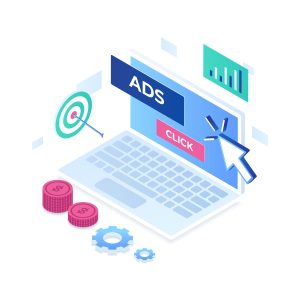
Strategies and Trends for Effective Digital Advertising

Every business, regardless of its niche or size, relies on marketing to build brand awareness, reach a target audience, foster customer relationships, and increase sales. But marketing is broad and relies on several networks, platforms, and systems. Digital advertising, for instance, is a form of marketing that is constantly evolving and proving to be quite effective when combined with other forms of digital marketing.

What is Digital Advertising?

Before a customer purchases a product or service, they often go through three critical stages, namely: the awareness stage, the consideration stage, and the decision stage. During these stages, they take their time to understand the business, the team behind it, and how that product or service stands out from the competition.

If a prospective customer doesn’t know of your product or service, you can bet they won’t consider you for business. Therefore, digital advertising plays a critical role in the awareness stage. It ensures that your product or service has a name in the market.

Digital or online advertising relies on various platforms such as social media, search engines, mobile apps, and websites to build brand awareness, engage audiences, and drive desired actions or conversions.

Digital Advertising vs. Digital Marketing 

Many people use the phrases digital advertising and digital marketing interchangeably. And while the two are related, they mean two different things. Simply put, digital marketing is an umbrella term that encompasses all marketing efforts using digital platforms or channels. It involves various strategies and activities to promote business, build awareness, and drive conversations.

Digital marketing may include offline and online tactics such as Search engine optimization, email marketing, content marketing, social media marketing, influencer marketing, etc.

Digital advertising, however, is a subset of digital marketing, specifically focused on promoting products or services using online advertising channels. It often involves paid placements or ads designed to reach a specific target demographic.

If you are keen enough, you have probably seen a steady change in how businesses advertise their products and services. These changes or trends are no accidents or coincidences. Rather, they are a result of careful adaptation to the evolving digital landscape and the ever-changing consumer behaviors.

Today, for instance, you will find personalized, five-seconds video ads instead of random 5-minutes videos. Ads are also becoming more dynamic, with some incorporating variables such as the current weather, location, or time of day to enhance the user experience and increase the effectiveness of advertising campaigns. Here are the other digital advertising trends to keep an eye on:

  • Interactive ad formats: This is a technique where you involve users or viewers in the ad experience. Standard procedures include incorporating polls, quizzes, interactive videos, or mini-games to encourage user engagement and participation. Another advantage of interactive ads is that you can collect critical data and insights into the audience’s behaviors and preferences.
  • Behavioral targeting: Random ads aren’t effective in engagement and conversion since they don’t speak to the interests and preferences of the target audience. Tracking user behavior, including purchases, website visits, and searches, helps businesses deliver more personalized and effective ads.
  • Mobile dominance: Mobile usage continues to shape digital advertising. With smartphones playing a major role in how consumers access online content, businesses should optimize their advertising campaigns for mobile devices.
  • Intelligent advertising: AI and automated algorithms are pushing the boundaries of what’s possible in digital marketing. Today, AI in digital marketing enables cost-efficient ad placement across multiple channels and allows for precise user targeting.
  • AR and VR Integration: Several companies, such as IKEA, Adidas, and Volvo, increasingly embrace AR and VR technologies in their advertising campaigns to demonstrate products and provide virtual try-on experiences. These technologies increase engagement and boost conversion.

Ways of Advertising Online

Digital or online advertising comes in various forms. However, they are often categorized into two main groups: display ads and native ads. Display ads are the digital evolution of flyers and billboard ads. They feature an ad copy, images or graphics, and a CTA. Examples of display ads include:

  • Popup ads: These are often considered very annoying since they interrupt browsing and require the user to take the specified action or manually close them. Popup ads are still in use, but there are ways you can make them less disruptive.
  • Video ads: include video commercials, TV ads, and Facebook and YouTube ads. Modern video ads across social media channels are highly engaging, personalized, and interactive.
  • Banner ads: These are image-based ads often displayed to the side or above the web content.
  • Rich media ads: Rich media ads may feature text fields, scroll or swipe functionality, and even 360-degree rotatable images.

Native ads, on the other hand, are designed to blend seamlessly with the platform or content used. And as the name suggests, native ads should speak to the audience in a way that makes sense to them. Examples of native ads include:

  • Paid search ads: Paid search ads allow businesses to display sponsored advertisements in search engine results when users search for relevant keywords.
  • Social media ads: You pay your favorite social media platforms, such as Facebook or Instagram, to get posts to rank higher in the platform’s algorithm and appear in the feeds of non-followers with similar browsing or shopping habits.
  • Promoted listings: You pay a listing site to rank your business at the top of the platform’s search results page.
  • Sponsored content: You sponsor a podcast or video, and the owner features your business or displays an ad letting the audience know about your business.
  • Influencer partnership: You pay or partner with a social media influencer who creates awareness for your brand. This technique is powerful, but you need a solid influencer marketing strategy to make this work for your business.

Bottom Line

Now that you know how online advertising works, its examples, and its benefits, it’s time to put everything into action. Typically, you want to have a plan or strategy for how you’ll drive your digital advertising campaign.

This involves understanding your goals and KPIs and knowing your target audience, distribution channels, content materials, and budget. If you’re new to digital marketing and online advertising, consider seeking guidance from a reputable digital marketing agency.

Schedule a marketing consultation with Stevens & Tate
Types Of Marketing Videos You Should Use

Creating Creative Video Campaign

The Super Bowl is undoubtedly one of the most celebrated sporting events. It can draw millions of viewers across digital channels and traditional TV platforms. This one-day event with a history of high-profile commercials often means a lot to marketers and business owners. And while many wait a few weeks before the Super Bowl to begin working on their video campaign idea, it’s best to prepare early enough. To create the best video campaigns for the next Super Bowl, you’ll need to review and learn from previous events. That means exploring various video marketing campaigns, including the best and worst Super Bowl commercials.

In the sections below, we’ll discuss a few Super Bowl video marketing ideas and how you can use them to improve your overall video marketing campaigns.

Create a Memorable Pre-game Teaser

You’ve probably watched those super bowl ads that went on to feature in every article for the rest of the year and attracted lots of social media attention. And perhaps you know of some big-time super bowl advertisement fails. These two sets of video commercials may differ only in the finer details.

Making a thirty-seconds pre-game teaser memorable takes a lot of expertise and some trial and error. It also requires understanding emotional advertising, creativity, and proper timing. Sometimes the best ads turn out to be a complete flop, so only after testing them can you confirm the ads will work for your specific audience.

Before consolidating your resources to create a pre-game teaser, you want to focus on delivering the right message in the shortest possible time. A rule of thumb is to be unique while driving the point home. Here are a few tips to keep in mind:

  • Ensure your video is relevant to the event. Super-bowl is highly anticipated; you want to capture the thrill and excitement. Everything about your video, from the visuals to the sound, should be engaging, dynamic and compelling.
  • Use suspense. There’s a lot to fit in a 30-second pre-game teaser, and your video should convey just the relevant information without being deemed boring. You can use the various elements of suspense, such as conflict, empathy, and anticipation, to drive the point home.
  • Make the video shareable. Your pre-game teaser won’t be as impactful if it’s not optimized for sharing. Consider promoting your Super Bowl teaser across various social media channels. You can leverage influencers to share your teaser and invite your audience to share their thoughts.

Utilize Humor to Make an Impact

There’s something about humor that makes it irresistibly powerful, especially in the video marketing niche. Fans eagerly anticipate the Super Bowl because they want to share the excitement of watching their favorite team compete. What you don’t want to do is bring in some dull vibes and spoil their uplifted spirit.

Besides making your brand and message more memorable, humor also connects with the audience personally, making them laugh and feel good and relaxed. It also keeps viewers wanting more, it makes your super bowl commercial more sharable across social media and other platforms.

And while everyone knows that humor is critical to a successful viral marketing campaign, most marketers are yet to leverage this low-hanging fruit. But the problem isn’t using humor for video marketing, but how well to integrate humor into a 30-second commercial.

The common mistake many people make when incorporating humor into their marketing is being insensitive to their audience. A good old joke you often circulate in your department can be offensive to certain groups of people. This often comes with a hefty price and could quickly damage your brand’s reputation. Many marketers try to copy past commercials or successful Super Bowl ads, and they end up hurting their image. As much as you want to add humor to your commercial, try not to overdo it.

Leverage Social Media

Not so long ago, Super Bowl ads were meant for the big screens. Large media houses had the monopoly of showcasing whatever ads were lined up during the commercial breaks. This, however, is no longer the case. Nowadays, millions of people watch the Super Bowl from the comfort of their smartphones.

For video marketers, this means a lot as far as video marketing ideas are concerned. Instead of designing Super Bowl ads just for the big screens, you want to design them for social media platforms such as YouTube, Twitter, Facebook, Instagram, and TikTok.

Before creating a Super Bowl ad or teaser, you must carefully plan the delivery. You must also ensure the audience can easily share the video across all social media channels. Advertisers optimize most viral Super Bowl commercials for social media.  They are short and visually stunning and appear on various social media platforms, encouraging people to share the videos and discuss what they think about the game and the video commercials.

The other video marketing ideas you can implement are: posting some sneak previews and behind the scene-videos of the ads on social media. You can also source user-generated content by developing a social media challenge relating to your ad where you invite users to edit the videos for sound and graphics, with the best editor earning some prize, e.g., branded merchandise, the next super bowl ticket, etc.

Make Video Marketing Work for You

Creating an effective video marketing campaign takes a lot of practice and expertise. Unless you can create an informative, visually appealing video that speaks to your audience, you’ll have difficulty selling your products or services. Whether you are a marketer, a business executive, or a business owner, it’s crucial to understand the basics of video marketing. Combining several video marketing ideas and seeking expert advice could mark the difference between failed branding and a golden opportunity to create a memorable ad that steals the show and gets the attention you’ve been longing for.

Packaging Design and Branding: The Power of Product Packaging

Make Sure Your Product”s Vessel Makes a Brand”s First (and Second) Impression

As marketers focus on using social media to create connected, highly personalized brand experiences, they may easily overlook another critical touchpoint: product packaging.

Why Packaging Matters Beyond the Store Shelf
In today”s fragmented marketing environment, packaging is far more than a product”s vessel; it is the physical manifestation of a brand experience and an important part of a brand promise. As such, packaging should be a critical piece of a brand”s integrated communication strategy.

Read more

5 mobile marketing techniques to build your ecommerce brand

5 Mobile Marketing Techniques To Build Your Ecommerce Brand

It should come as no surprise that a strong mobile presence is indispensable in today’s market. After all, the average user spends most of their Internet time on their smartphone as opposed to their desktop.

Whether your company is just starting up or has reached the point of maintaining a well-established customer base, it’s important to stay up to date with the most current marketing trends and techniques for your e-commerce business. Structuring and launching an e-commerce website is a milestone achievement for your brand.

Therefore, it’s crucial to invest in effective mobile marketing techniques, and here are five tips on how to do so:

1. Mobile Website Design & User Experience

A website is your most important marketing and communication tool, as it connects you with your user. In a world so dominated by mobile devices, most brands cannot afford to miss the mark with a website that is NOT optimized for users on smartphones, tablets, or whatever their device of choice may be. If you’re an ecommerce brand, you want to make sure that your website is ready for their devices.

Some brands quickly jump to a mobile app when it’s time to make “mobile decisions”. However, it’s not always the most efficient choice for each and every brand. Ultimately, they should be developed once you already have a mobile-friendly website as well. 9 times out of 10, an app should not be created in place of a mobile-friendly site, but instead in addition to it. Apps can be costly endeavors, and to be successful they must offer some sort of value that the mobile site doesn’t, otherwise there is no real incentive for the user to download the app and use it on a regular basis.

Real World Example

A boutique fashion brand launches an app that simply mirrors its mobile website—offering no exclusive perks, rewards, or camera features. Because the app takes up phone storage without adding value, over 70% of users delete it within 30 days.

In contrast, successful app strategies build a responsive mobile site first to capture general search traffic, then use an app to offer unique utility. For instance, Nike uses its mobile app to offer exclusive product drops, personalized workout tracking, and in-store barcode scanning. The mobile site captures discovery, while the app serves high-intent, repeat buyers.

Particularly with ecommerce brands, a responsive design is incredibly important. The size of a mobile screen is significantly smaller than that of a desktop. As a result, the website should appear a bit differently. However, you want to ensure that your customers do not face any issues. This can range from viewing product images, scrolling through pages, clicking on buttons, finding a certain product, or typing in billing information into form fields. Websites that aren’t responsive in their design typically contain flaws with these key elements. These can act as a major deterrence in the mobile user completing the purchase. If you’re implementing mobile marketing techniques to drive mobile traffic, you want to make sure your website is ready to perform. Preferably before you begin marketing to your mobile users and driving traffic to your website.

2. Strategic Referral Marketing (Word-of-Mouth)

We are all social creatures, and we love sharing our experiences with our families and friends. If we have a good experience, we’ll want everyone to know about it. It is for that reason that referral marketing (also known as word-of-mouth marketing) is one of the most powerful, yet underrated ecommerce mobile marketing techniques available. Referral marketing  is when you deliberately influence the process of word-of-mouth. Whether it is encouraging more sharing, or positioning the sharing to be positive. Referral marketing is a secret weapon that many ecommerce companies embrace. It benefits advertisers too-we help each other avoid bad experiences, and encourage each other to support places that provide an excellent experience.

The fastest and easiest way to kick-start  referral marketing is to set up a referral program. If you have the resources, you can hire a developer to custom design a referral program for your store. This allows you to have full control over your referral program, but the work may be tedious and resource-intensive. An alternative is to install a referral program app. A referral app allows you to get started quickly, as everything is (almost) done-for-you. However, if you do not promote your referral program, nobody will know of it. So do all you can to promote it, and let people know about it.  Share it on your social media and send it on your email list. Invite all of your past customers to join your referral program. You will be sure to notice results.

3. Mobile-Optimized Email MarketingMobile Marketing Techniques 3

Most ecommerce customers check their inbox from their smartphone, not from a desktop. Emails that get opened on mobile devices yet aren’t optimized for those devices typically get sent to trash. It’s a waste of time and budget to produce emails that are too difficult to read on mobile, or do not render correctly on mobile devices.

To ensure that your efforts are not wasted, it is worth checking to make sure your email marketing is mobile-friendly. Use a responsive design for all of your emails so that the content renders well regardless of device. This is one of many options that can help create an optimal experience for your email recipients. As a result they can actually see your perceived value and subsequently visit your mobile-friendly site after receiving the message.

Some visual tips to include are fonts that are easy-to-read, stick to one column of text, use compelling imagery, and always include clickable icons and calls-to-action (CTAs). Think about subject line, and how character count is more limited on mobile inboxes than desktop. Best of all, these guidelines help offer a greater experience on mobile devices, and are beneficial to those on desktop.

Similar Article: How To Outshine Your Competition With Effective Ecommrce Marketing

4. Proper Mobile Content Marketing Strategy

Mobile optimization refers to the elements found on your site infrastructure. As such, consuming content on mobile devices is different than on desktop. Proper content marketing can attract more positive attention, interaction, and sustainable conversions in a way no other marketing method can. That’s because the Internet is content. By creating and promoting original content you are ensuring that your audience is receiving new information that matters to them on a continual basis.

Brainstorm with your team to imagine a list of the different types of content you wish to create. This can be blog posts, videos, and newsletters. Also, make sure you are utilizing your marketing budget by consulting with experts, outsourcing work when necessary. Invest in high-quality software, subscriptions, employees, and training for your team.

You will also find that if you work with the right people, many of the things you’ve paid for in the past can be done internally. Create diversity within your team and listen to everyone’s ideas. It is also a good idea to create content based on Pareto’s 80/20 rule, which means that your promotions should comprise of 80% informational content, and 20% promotional content. All of the content you publish should be relevant, interesting, and unique.

5. Cohesive Social Media Marketing

Social media marketing is one of the most powerful mobile marketing techniques available. It allows you to communicate with your industry, customers, and market in a personal way. You can utilize social media to generate engagement and interaction, boost traffic to your website, and develop a larger base of customers.

Utilizing different social media platforms for different purposes also creates a rich presence for your company that diversifies your abilities and efforts. This will ultimately help you cater to your customers’ needs in a way that grows your business over time.

Maintaining a solid tone and personality of your company through social media is very important because consistency is what will create trust within your audience. In order to develop and maintain brand recognition and authority, make sure your outreach efforts are unified; by ensuring your team is on the same page with your company’s communication style.

Next Steps To Putting Your Mobile Strategy Into Action

Mobile marketing is no longer just an extra perk for online stores—it is the backbone of modern e-commerce success. By building a mobile-first website, optimizing your emails, encouraging referrals, creating valuable content, and keeping a consistent social media presence, you set your brand up for sustainable growth.

To turn these strategies into results, focus on taking these initial steps:

  1. Audit Your Mobile Checkout: Run a test purchase on a smartphone to catch slow load times, formatting glitches, or clunky form fields.

  2. Review Your Email Templates: Ensure your upcoming campaigns use a single-column layout with easy-to-tap CTA buttons.

  3. Explore Referral Tools: Look into plug-and-play referral apps for your platform to start turning happy customers into brand advocates.

  4. Balance Your Content: Check your upcoming content calendar to ensure you maintain an 80/20 balance of educational value versus promotional pitches.

Ultimately, streamlining your site’s design, navigation, and referral options will instantly drive conversions and customer loyalty.

  Mobile marketing resource

The Power of Storytelling in Real Estate Lead Generation

In the competitive world of real estate, standing out from the crowd is essential. While traditional marketing tactics like listing photos and open houses are still important, real estate lead generation is increasingly driven by the power of storytelling. By crafting compelling narratives around your listings, testimonials, and brand, you can engage potential clients on a deeper emotional level, build trust, and ultimately drive more conversions.

Why Storytelling Matters in Real Estate

Storytelling is not just about selling a property; it’s about selling a lifestyle, a dream, and an emotional connection. When potential buyers or sellers can envision themselves in the story you’re telling, they’re more likely to take action. According to a study by Virtuance, listings that incorporate storytelling elements see a 20% increase in engagement compared to those that rely solely on facts and figures.

But storytelling isn’t just about engagement—it’s also about differentiation. In a market saturated with listings, a well-told story can make your property or brand memorable. Think about it: when a buyer is scrolling through dozens of listings, the one that tells a story about a family enjoying their first holiday in a new home is far more likely to stick in their mind than a listing that simply states “3 bedrooms, 2 bathrooms.”

Read more about: 5 Brand Storytelling Examples To Learn From

Crafting Compelling Narratives for Listings

When it comes to real estate lead generation, your listings are your first opportunity to tell a story. Instead of simply listing the features of a property, focus on how those features can enhance the buyer’s life. Here are some tips for crafting compelling narratives:

Highlight the Lifestyle

real-estate marketing

Instead of saying “3-bedroom, 2-bathroom home,” try “A cozy family home with a spacious backyard perfect for weekend barbecues and a bright, sunlit kitchen where you can enjoy your morning coffee.” Paint a picture of the life the buyer could lead in this home.

Use Real Estate Testimonials

Share stories from previous clients who found their dream home through your services. Testimonials add credibility and help potential clients see themselves in a similar success story. For example, “The Smith family was able to find their forever home in just three weeks thanks to our personalized approach.”

Focus on Emotions

Buyers often make decisions based on emotions rather than logic. Use descriptive language to evoke feelings of comfort, excitement, or nostalgia. For example, “Imagine waking up to the sound of birds chirping in your private backyard oasis.”

Leveraging Digital Platforms and Social Media

In today’s digital age, real estate lead generation is heavily influenced by online presence. Platforms like Instagram, Facebook, and LinkedIn offer unique opportunities to tell your brand’s story and engage with potential clients.

Real Estate Social Media Stories

Use Instagram Stories or Facebook Live to give virtual tours of properties, share behind-the-scenes content, or highlight client success stories. These platforms allow you to connect with your audience in real-time and create a sense of urgency. For example, a Facebook Live tour of a new listing can generate immediate interest and inquiries.


Read more about: Mastering the Art of Integrated Digital and Social Media Marketing

Content Creation

Regularly publish blog posts, videos, and infographics that provide value to your audience. For example, a blog post titled “5 Tips for First-Time Homebuyers” not only positions you as an expert but also keeps your audience engaged with your brand. You can also create video content, such as “A Day in the Life of a Real Estate Agent,” to humanize your brand and build trust.

Engage with Your Audience

Don’t just post content—engage with your followers. Respond to comments, answer questions, and participate in conversations. This builds a sense of community and makes your audience feel valued.

lead generation tips

Strategic Content Creation Tips

To maximize your real estate lead generation efforts, your content should be both informative and emotionally engaging. Here are some tips:

Use Visuals

Incorporate high-quality images and videos into your content. Visual storytelling is incredibly powerful and can help potential buyers visualize themselves in the property. For example, a video tour of a home with soft background music and a voiceover describing the lifestyle the home offers can be far more compelling than static images.

Incorporate Data

While storytelling is important, don’t forget to back up your narratives with data. For example, you could reference Resimpli’s blog on 80 Real Estate Lead Generation Statistics to add credibility to your content. Data can help reinforce the emotional appeal of your story with hard facts.

Call-to-Actions (CTAs)

Always include a clear CTA in your content. Whether it’s encouraging readers to schedule a consultation, download a guide, or follow you on social media, a strong CTA can help convert leads into clients. For example, at the end of a blog post, you could include a CTA like “Ready to find your dream home? Contact us today to schedule a consultation!”

The Role of Storytelling in Brands

Your brand is more than just your logo or tagline—it’s the story you tell about who you are and what you stand for. In real estate, your brand story can set you apart from the competition and attract the right clients.

Define Your Brand Story

What makes your real estate agency unique? Is it your personalized approach, your deep knowledge of the local market, or your commitment to client satisfaction? Define your brand story and weave it into all of your marketing materials.

Consistency is Key

Your brand story should be consistent across all platforms, from your website to your social media profiles to your email newsletters. Consistency helps reinforce your brand identity and makes it easier for potential clients to recognize and remember you.

Showcase Your Values

Use storytelling to showcase your values and what you stand for. For example, if community involvement is important to you, share stories about how you’ve contributed to local charities or organized neighborhood events.

Conclusion

In the world of real estate lead generation, storytelling is a powerful tool that can set you apart from the competition. By crafting compelling narratives, leveraging digital platforms, and building trust through strategic content creation, you can engage potential clients on a deeper level and drive more conversions. Remember, it’s not just about selling properties—it’s about selling dreams, lifestyles, and emotional connections.

Social Media Strategy Tips for Successful Campaigns

There are no hard and fast rules for social media marketing campaigns. What works well for one company could fail magnificently for another. Searching for sure-fire techniques is like searching for Amelia Earhardt, answers are out there, but they’re just really hard to find. You want buzz. You want a unique message that says, “This is our brand. This is who we are.” You want visitors to become fans and fans to become customers. This is a great key to attraction marketing.

After analyzing some of the most notable social media marketing campaigns of 2012, we’ve come up with what we think are 5 keys to creating your own social media success story.

Read more

Target Advertising Strategy: Powerful Techniques for Targeted Marketing

The Evolution of Targeted Digital Advertising: How to Engage Audiences Without Crossing the Line

The data surrounding digital consumer sentiment and ad volume reveals a fascinating paradox. According to recent survey data, 86% of adult Americans do not want political ads tailored to their specific interests. Consumers are increasingly sensitive about how their personal information is collected and used.

Yet, on the commercial side, digital ad volume is exploding at an unprecedented scale. To put this growth in perspective, consider that U.S. internet users were served 1.11 trillion display ads in a single quarter back in 2011. Today, display advertising revenue has surpassed $10.9 billion—a staggering figure for a channel that didn’t even exist a few decades ago.

It is worth remembering that the digital ad industry was born on October 27th, 1994, when the very first banner display ads appeared on Hotwired.com. What began as a simple experiment has transformed into a massive economic engine. Furthermore, forecasts from Forrester Research project that interactive display advertising will climb to $28 billion, while total interactive marketing spend will reach $77 billion—effectively matching traditional television advertising budgets.

If your product, business, or brand hasn’t fully embraced targeted digital channels, the question becomes: what is holding you back?

Why Targeted Advertising Matters for Modern Brands

Targeted advertising allows companies to stop relying on broad, wasteful marketing campaigns and start delivering relevant messages to high-intent audiences. Instead of paying to reach everyone in the hope of catching a few interested buyers, targeted marketing lets you focus your budget on the individuals most likely to convert.

However, executing an effective targeting strategy requires leveraging the right channels and tools.

Read more

brand development

4 Essential Brand Components

Many people assume a brand is simply a company name or logo. While those elements are part of branding, they only represent a small portion of what truly defines a business. A strong brand strategy includes several interconnected elements that shape how people recognize, experience, and trust your company.

Understanding the essential brand components is critical for building a recognizable, trustworthy business in today’s digital-first marketplace. From visual identity to company values, each component contributes to how customers perceive your brand.

Below are the four essential brand components every business should focus on in 2026 and how you can strengthen them.

1. Brand Identity

Your brand identity is how you want your brand to be perceived. It’s important that you know what your brand identity is and what you want it to be. If you don’t, how is anyone else supposed to know? You’re going to have a tough time generating brand awareness if you lack a strong brand identity. The following are a few steps that you should take to establish your brand identity:

  • Identify your mission

    What was the reason you established your company in the first place? What is your company’s goal? Consumers want to know what your mission is (and they don’t want to hear that it’s “to make a profit”) and it will reflect who you are as a company.

  • Establish your unique value proposition

    Your unique value proposition is what sets you apart from your competitors. It’s a statement of how your offer benefits your customers, how you will meet the needs of your customers, and what makes your offer unique. Every marketing campaign you run should align with your unique value proposition.

  • Create your brand’s visual identity

    The visual elements of your brand certainly factor into your brand identity. Just consider the logos and color palettes of some of the biggest companies out there, from Facebook’s simple logo and use of blue to McDonald’s golden arch and yellow and red palette. A strong logo that’s instantly recognizable is important, but so is choosing your colors. Different colors have different meanings and the colors you choose can have a psychological impact on your audience as well. For example, many fast-food restaurants use red and yellow because that combination of colors is thought to stimulate the appetite. Just keep in mind that consistency is key. If you decide to use shades of blue in your logo and on your website, then you should use those same colors for your social media pages, email newsletters, and physical location as well.

  • Increase brand recognition

    It’s going to take some time to get your vision of your brand identity out to the masses. You’ll want to generate awareness of your brand to do this through a variety of marketing efforts, such as building a website that emphasizes your mission and unique value proposition, creating content that’s optimized for SEO, using social media to engage with consumers and to post your content, and more. It’s also vital that you make sure your mission, unique value proposition, and visual identity are consistent across all platforms. If it’s not, it will end up hurting your brand identity.

2. Brand Image

Your brand image is similar to your brand identity in that it deals with how your brand is perceived. However, whereas your brand identity is how you want your brand to be perceived, brand image is how your brand is actually perceived. Consider your brand image as the reputation you currently have with the general public. Take for example United Airlines. Not long ago, they updated their brand design in an attempt to strengthen their brand identity as a “thoughtful, modern, and innovative airline.” However, their brand identity and brand image are currently quite different from each other after numerous massive PR failures regarding their customer service. Keeping that in mind, the following are a few ways to build and maintain a positive brand image:

  • Spread your message via PR

    Use public relations to spread your key messages as well as relevant news concerning your company. You can do this through news outlets, trade publications, and even online blogs. Public relations will help you raise awareness of your brand and what you’re doing, thereby helping to improve your brand image.

  • Establish a social presence

    Social media is an incredibly effective way to build your brand image, whether it’s by sharing content with consumers, keeping consumers up to date on the latest news and product launches, spreading awareness of your message, and engaging with consumers on a personal level. In fact, you can even use social media to address negative comments. It’s a good way to repair potential damage done to your brand image as a result of a poor customer experience by showing that you care and trying to correct the situation.

  • Create high-quality content

    Content will help to increase brand awareness by bringing in more web traffic. However, it can also help to build your brand authority. By publishing content that is relevant to your company and to your audience (and that’s of high quality), you’ll become a trustworthy source of information, which — in turn — will help improve your reputation and increase brand trust.

3. Brand Culture

Brand culture refers to your company’s core values and how you set an example for those values. Businesses have always

emphasized certain values; however, those values were often things like “reliability” or “honesty.” Values that are more equivalent to basic ethics. While those are important values to hold onto, more and more businesses have begun taking moral stances as well as political stances in addition to generally accepted values. These types of values feed into your brand culture as well. Take Nike for example. They have taken strong social positions by running commercials backing Colin Kaepernick and recently touting the importance of the women’s U.S. soccer team’s World Cup win. These are branding efforts touting their championing of equality, which has become a part of their brand culture. The following are a few tips to help you establish your brand culture:brand recognition

  • Define your values

    Define exactly what your values are and how your company lives out those values. Don’t be afraid of taking a stance if there’s a particular stance that you want to take. Using the Nike example again, their backing of Kaepernick was considered controversial and plenty of consumers did not agree with their position. However, those that did agree with their position became even more strongly aligned with Nike’s brand. You can’t please everyone, but by sticking to your values, you’ll be more likely to strengthen your relationship with many of your customers.

  • Spread awareness of your values

    Let consumers know about your values by declaring them on your website or by encouraging discussion about your values on social media. Publishing content that backs your values is an effective method as well.

  • Ensure that your company reflects your values

    There’s nothing consumers hate more than a hypocrite. If you’re flaunting your support for equal pay across social media and in your marketing efforts, then you better be practicing what you preach. Your brand culture is incredibly dependent on your ability to embrace your own values within your company.

4. Brand Personality

Your brand personality refers to the human characteristics that your company has. Developing a brand personality is vital to connecting with your audience on an emotional level and for making your brand relatable. Because of this, make sure that you use the following tips to develop your brand personality:

  • Learn who your audience is

    Understanding your audience is something that you need to do from the very beginning. It’s an important step in building your brand identity as well. However, it’s particularly important when it comes to developing your brand personality. The way you present yourself and the way that you communicate should reflect not only who the audience is but what they expect. For example, if you have a younger audience, then a dry, formal tone may not resonate with them. However, if your audience is older, using younger slang and current pop culture references may go over their heads.

  • Engage with your audience

    While you can get your personality across in the content you write, it’s easier to do through engaging with people. It’s why using social media is so important. Your entire audience sees your interactions and it helps establish your personality a certain way. For example, Wendy’s has a reputation for having a playful personality because of their use of humor and the pretend feuds that they get into with other brands on Twitter.

  • Be consistent in tone

    If you’re going to be funny and informal on one platform, you need to make sure that personality carries over to all of the other platforms you use, both online and offline. If you’re inconsistent, it will hurt your ability to develop a cohesive brand personality, which will only confuse your audience.

These are the four main brand components that you will need to address when developing your brand strategy. A strong brand requires a strong brand identity, brand image, brand culture, and brand personality. Implementing a successful brand strategy that develops all four of these components increases brand trust, loyalty, and awareness.

Frequently Asked Questions About Brand Components

What are the main components of a brand?

The four essential brand components are brand identity, brand image, brand culture, and brand personality. Together, these elements shape how a company is perceived and experienced by customers.

Why are brand components important?

Brand components help businesses create a clear and consistent identity that builds recognition, trust, and customer loyalty.

What is the difference between brand identity and brand image?

Brand identity is how a company wants to be perceived, while brand image reflects how customers actually perceive the brand.

Can small businesses benefit from strong branding?

Yes. A strong brand helps small businesses stand out, communicate their value clearly, and compete more effectively with larger companies.

Final Thoughts

Building a strong brand requires more than a memorable logo or company name. Businesses must intentionally develop the key brand components that shape how customers recognize, trust, and connect with their brand.

By focusing on brand identity, brand image, brand culture, and brand personality, companies can create a cohesive brand strategy that strengthens credibility and builds long-term customer loyalty.

When these elements work together consistently, they create a brand that stands out in a competitive marketplace.

Storybranding marketing resource


Notepad with generation z on the wooden table.

Marketing to Gen Z: 5 Tips to Engage Young Generation

When it comes to marketing strategies and marketing trends, millennials receive a great deal of attention these days. However, they are not the only generation that businesses should focus on. Generation Z already has buying power, and it won’t be long until they overtake the Millennial generation as the largest generation. In fact, anyone born between 1997 and 2012 is considered part of Generation Z. Today, millions of Generation Z consumers are adults with growing purchasing power, making them an essential audience for brands. Here are five tips for marketing effectively to Generation Z.

1. Stand For Something

While focusing on how your products and services fulfill the needs of your customers is important, it will be difficult to stand apart from the crowd when it comes to getting Gen Z’s attention. They were raised on the Internet, so doing research and finding solutions to their problems is second nature to them. They have no trouble finding multiple options. In fact, the options are practically limitless for them. Consequently, they care more about what a brand stands for.

Gen Z is more aware of environmental, socio-economic, and political issues at their age than arguably any other generation. They look for brands that are eco-friendly or support their political views. This means that you can’t remain neutral. Stand for what your company believes in and you’ll be more likely to gain the support of your Gen Z audience.

2. Focus on earning brand loyalty through engagement

Gaining a new customer is far more difficult — and more expensive — than retaining an existing customer. This means you should focus on building brand loyalty among Gen Z customers. The best way to do this is by engaging with them in a meaningful and authentic way. The challenge lies in the fact that Gen Z is much less brand-oriented. They are more likely to become loyal to your company as a result of how you interact with them than any other tactic (such as offering loyalty rewards).

First of all, don’t push your products on them. When engaging with Gen Z customers, make sure it’s a two-way street. Listen to what they say. Don’t use sales jargon and don’t lie. Be personable. Offer them opportunities to participate, whether it’s by hosting brand-sponsored events, allowing them to submit ideas or feedback, or even letting them contribute content.

Explore more about How Businesses Are Using Brand Ambassador Programs To Increase Brand Awareness And Trust

3. Emphasize Mobile Marketing

Most of Gen Z won’t remember a time when they didn’t use mobile devices, such as smartphones or tablets. A survey published by IBM indicates that Gen Z prefers using their smartphones over other devices by 75 percent. Take advantage of this by making sure your website is mobile-friendly and that you employ mobile marketing techniques. You may want to develop an app to improve their user experience on their smartphones even more.

4. Understand How They Use Social Media

When it came to previous generations, figuring out social media wasn’t that difficult — everyone was on Facebook and Twitter. While Gen Z still uses these channels, many prefer other platforms. Channels like Facebook aren’t popular with younger consumers because of the fact that they are more family-oriented. Gen Z is more interested in visual-based social media channels that allow them to engage in a more personal way with others and that provide a creative outlet. With that in mind, it’s no surprise that Snapchat and Instagram are the two most popular channels among the Gen Z crowd.

5. Invest In Influencer Marketing

Even though certain tactics, such as Google and Facebook Ads, can still be effective, Gen Z tends to respond more to influencer marketing. Influencers on platforms like Instagram have huge amounts of sway with their followers. Their significance makes them a great tool for promoting your products and services to a younger audience that’s relevant to your brand.influencer marketing

Keep these five tips in mind when marketing to Gen Z. While many members of Gen Z aren’t adults yet, we know more Gen Z individuals will become adults in the coming years. As such, they should be the generation that you focus more of your marketing on, which is why learning how to market to Gen Z is so important. Get a head start on your competition by beginning to tailor your marketing efforts to the needs of Gen Z now.

Frequently Asked Questions About Marketing to Generation Z

What values does Gen Z care about most when buying from a brand?

Generation Z prioritizes authenticity, environmental sustainability, and corporate social responsibility. They actively research companies to ensure their business practices align with their personal ethics. Brands that take a clear stand on important socio-economic issues build much deeper trust with this demographic.

Why do traditional loyalty reward programs fail with Gen Z?

Older generations appreciate transactional points systems, but Gen Z values authentic engagement over simple discounts. They want a two-way relationship with companies. Earning their long-term loyalty requires interactive experiences, community-building efforts, and transparent communication rather than generic coupon codes.

How long is the attention span of a Gen Z consumer?

Data indicates that Gen Z has an average digital attention span of about eight seconds. Because they grew up filtering massive amounts of internet information daily, they evaluate content instantly. To capture their attention, your marketing assets must deliver clear value within the first few seconds.

Next Steps: Auditing Your Strategy for Gen Z

Updating your approach for a younger audience takes deliberate action. If you are ready to adjust your existing marketing framework, here is how to begin:

1. Review Your Current Mobile Experience

Since Gen Z handles the vast majority of their digital interactions on smartphones, your mobile interface must be flawless. Test your website’s loading speed, navigation simplicity, and checkout friction on mobile devices. If a page takes more than a few seconds to render, optimize it immediately.

2. Audit Your Brand Messaging for Authenticity

Take a hard look at your recent email campaigns and social media assets. Remove corporate jargon, overly polished sales pitches, and empty buzzwords. Replace them with conversational, transparent language that clearly demonstrates your company’s core values.

3. Launch a Small-Scale Creator Pilot Program

Identify two or three micro-influencers who already align with your industry and target market. Instead of dictating a rigid corporate script, allow these creators the freedom to showcase your product or service in their own authentic visual style. Track engagement metrics closely to see how younger buyers respond.

Social Prospecting